
MATCOR’s Pipeline Integrity Management Approach:
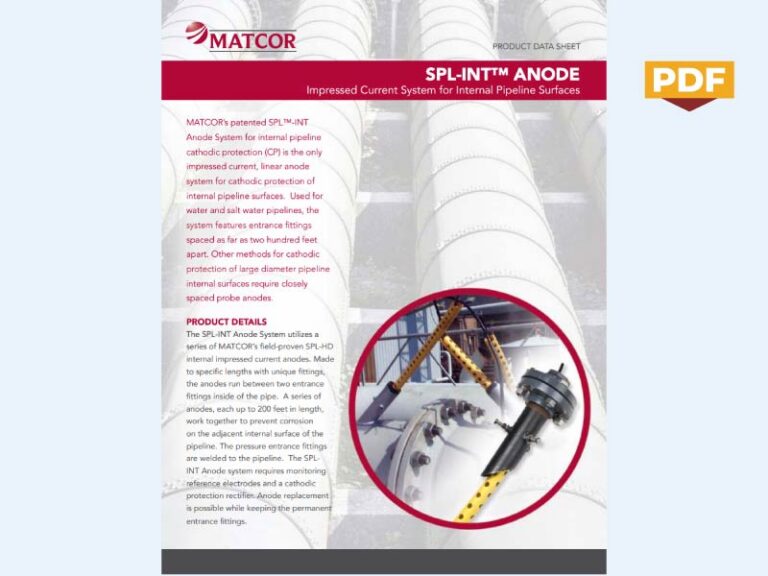
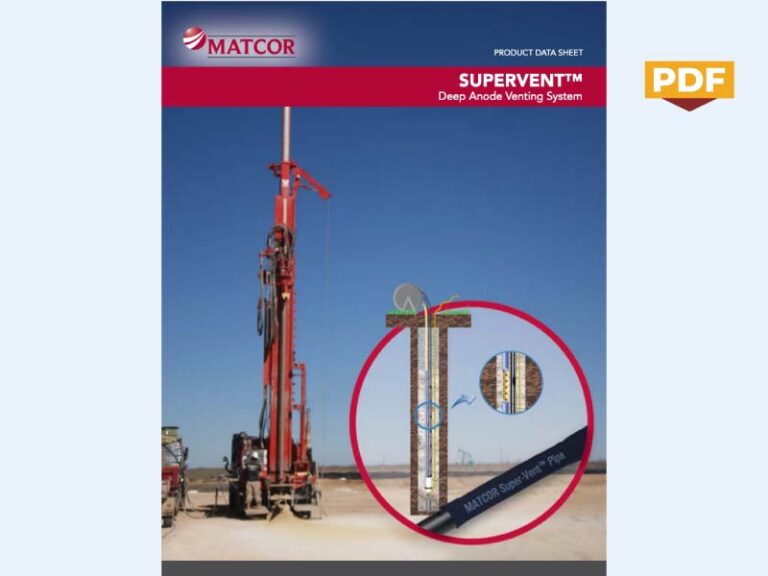
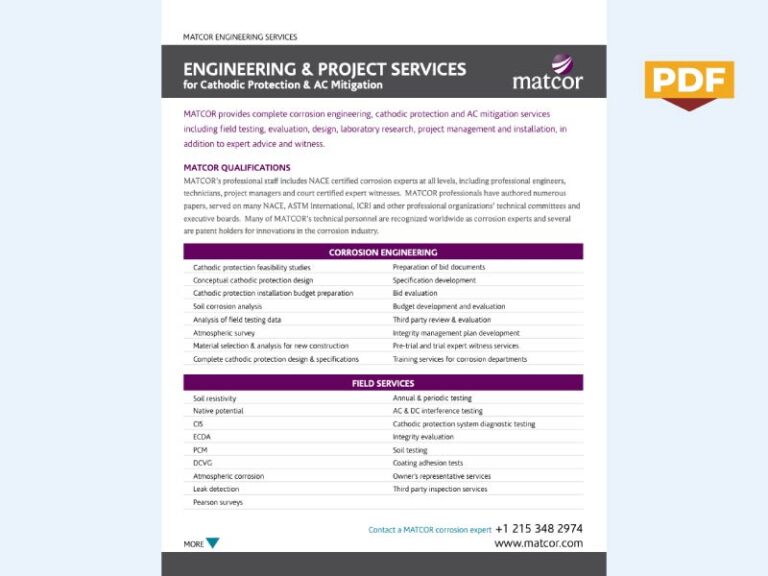
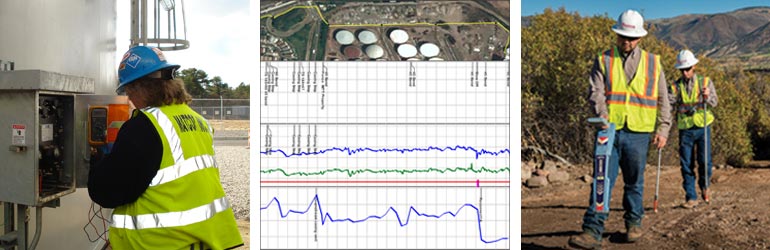
- Indirect Inspections: Our field survey teams perform a wide range of indirect surveys to assess the condition of buried pipeline coatings, addressing aging pipeline coating threats, the effectiveness of cathodic protection systems, and the corrosivity of the soil environment. These surveys include Close Interval Surveys (CIS), Alternating Current Voltage Gradient surveys (ACVG), Direct Current Voltage Gradient surveys (DCVG), Pipeline Current Mapping (PCM), soil testing, and soil resistivity surveys.
- Direct Assessment Procedures: We inspect pipeline conditions and use direct assessment techniques to identify potential issues early.
- Defect Evaluation: Our corrosion engineers assess pipeline defects to determine severity and recommend necessary repairs, which may include options for pipeline rehabilitation.
- Corrosion Management: We evaluate corrosion rates at each site and provide recommendations to reduce or eliminate deterioration and extend pipeline service life. For more details on how corrosion affects pipeline integrity and how to prevent it, visit our Pipeline Corrosion and Prevention Guide.
- Engineered Predictions: Our engineered predictions help you plan for long periods of leak-free operation, maximizing uptime and efficiency.
Proven Expertise in Pipeline Integrity Management
MATCOR’s complete pipeline integrity management services provide a complete solution for your pipeline’s needs. Our corrosion engineering team can develop a complete integrity management plan tailored to your system, ensuring compliance with regulations and long-term operational success.
Our engineers played a key role in developing today’s pipeline integrity management regulations, and we continue to provide high-level consulting services for:
- Integrity management plan development
- High consequence area (HCA) identification
- Pre-assessment planning and baseline assessment plans
- Direct assessment surveys
- Auditable trail and reporting