

What is The Best Anode For Low Temperature Seawater Applications?
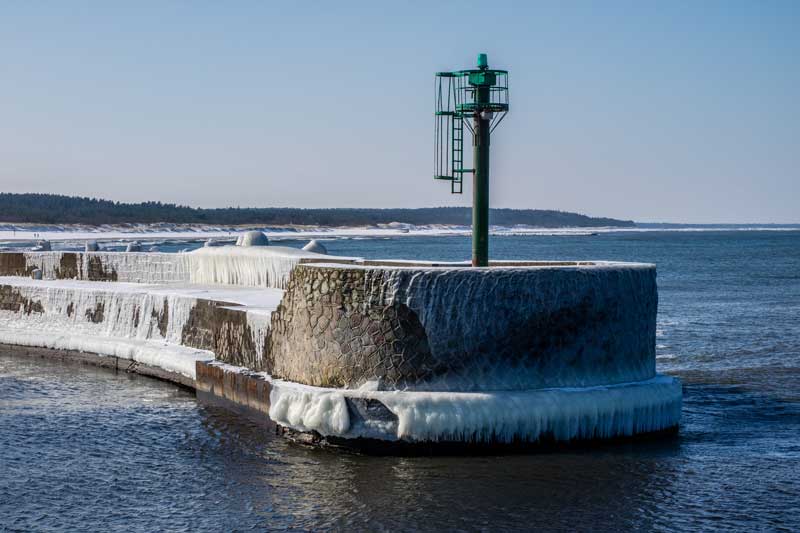
In low-temperature seawater environments, high localized chlorine concentrations around MMO anodes can affect current distribution and long-term coating wear rates. MATCOR offers a modified low-temperature MMO anode formulation that promotes oxygen generation over chlorine production to address these concerns in cold,…
Horizontal Directional Drilling for a Middle East Tank Retrofit
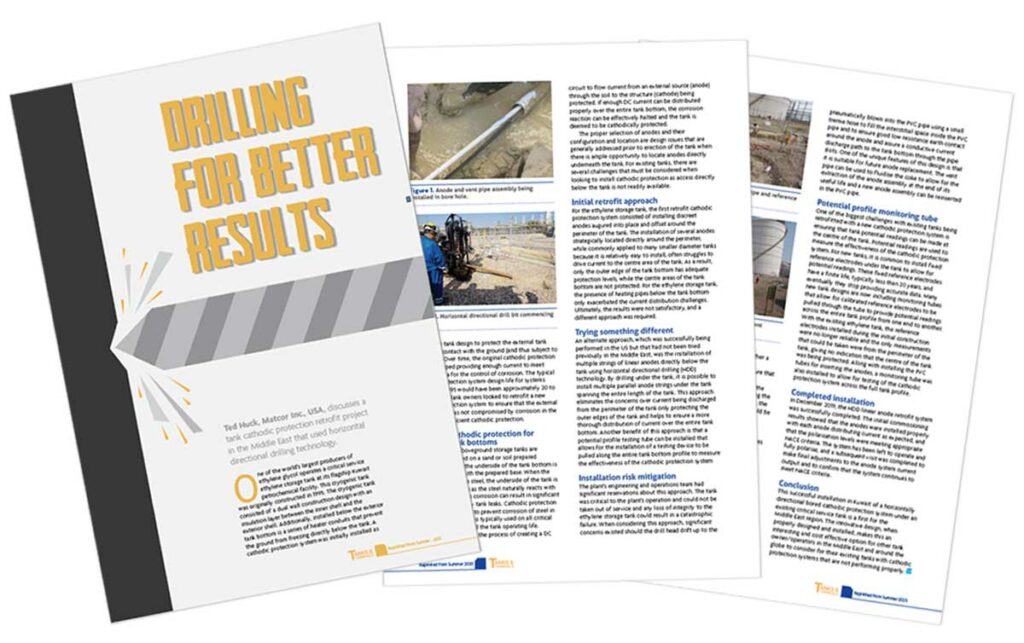
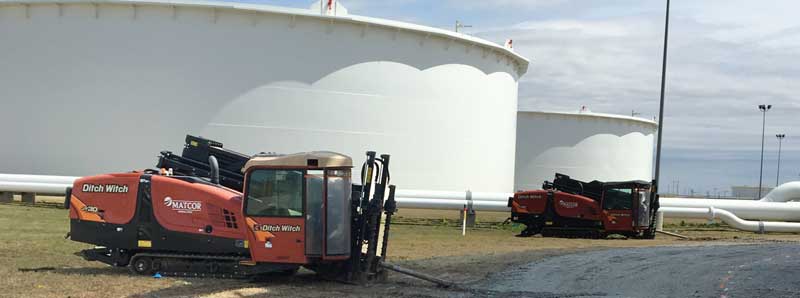
A Tanks & Terminals article details a Middle East ethylene storage tank cathodic protection retrofit where MATCOR’s horizontal directional drilling approach—installing linear anodes directly beneath the tank—succeeded after a conventional perimeter anode system failed to provide adequate current distribution across…
More New Equipment to Benefit You!
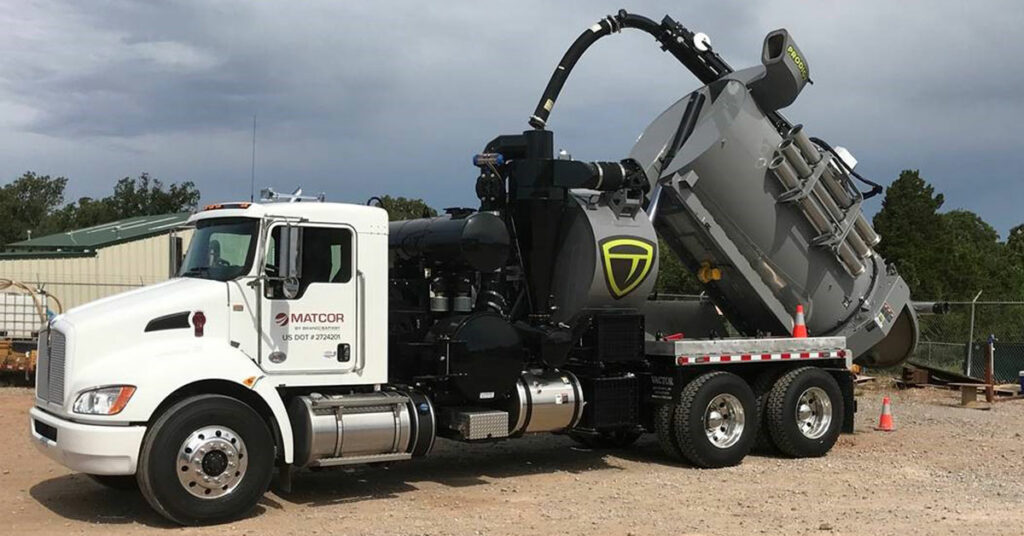
MATCOR has added two dual air and hydro vacuum excavators to its construction fleet, enabling efficient potholing, pipeline cleaning, and soil excavation across a wide range of conditions with minimal surface disruption and reduced spoils disposal requirements.
Better Tank Cathodic Protection

MATCOR’s article in Storage Terminals Magazine compares conventional grid anode systems to concentric ring linear anode systems for above-ground storage tank cathodic protection, explaining why premature grid system failures have caused excessive tank bottom corrosion and costly remediation.
Enerfin Joins Growing List of Satisfied Durammo® Deep Anode System Users
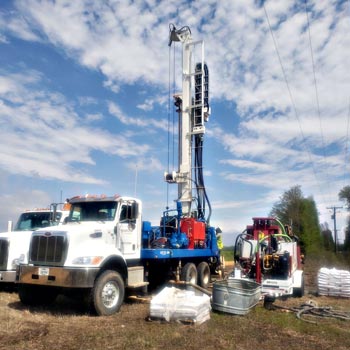
Enerfin Resources Company, a midstream operator in Oklahoma, Texas, and Louisiana, selected MATCOR’s Durammo® deep anode system for three installations, confirming the factory-assembled design installed as easily as promised and expressing plans to use the system on future projects.
Does Cathodic Protection Cause a Tank Bottom to Dry Out?
A stoichiometric analysis of cathodic protection reactions shows that a typical CP system on a 150-foot diameter above-ground storage tank consumes approximately 10% of sand bedding moisture over a 30-year operating life, indicating that significant foundation drying from CP is unlikely.
What is the Carbon Footprint of Deep Anode Systems?
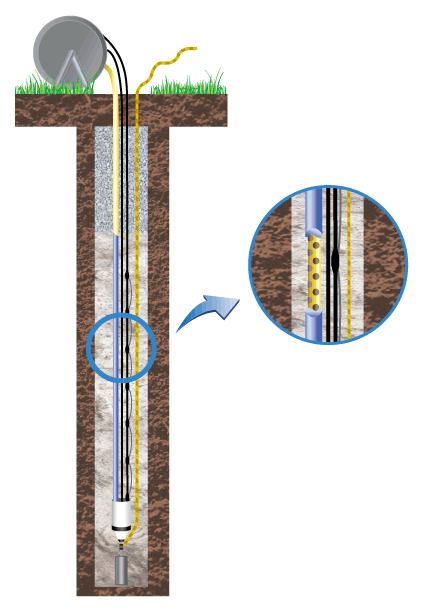
A stoichiometric analysis shows that a typical 50-amp deep anode cathodic protection system generates a maximum of approximately 180 kg of CO2 per year—roughly 4% of annual passenger vehicle emissions—through electrochemical reactions in the coke backfill column.
AC Corrosion Criteria: What It Is & How to Identify It

NACE SP21424-2018 establishes AC corrosion control criteria for cathodically protected pipelines based on time-weighted AC and DC current densities, with thresholds that vary depending on whether DC current density is controlled below 1 A/m².
Impressed Current Sled Anodes for Marine Structures – FAQs
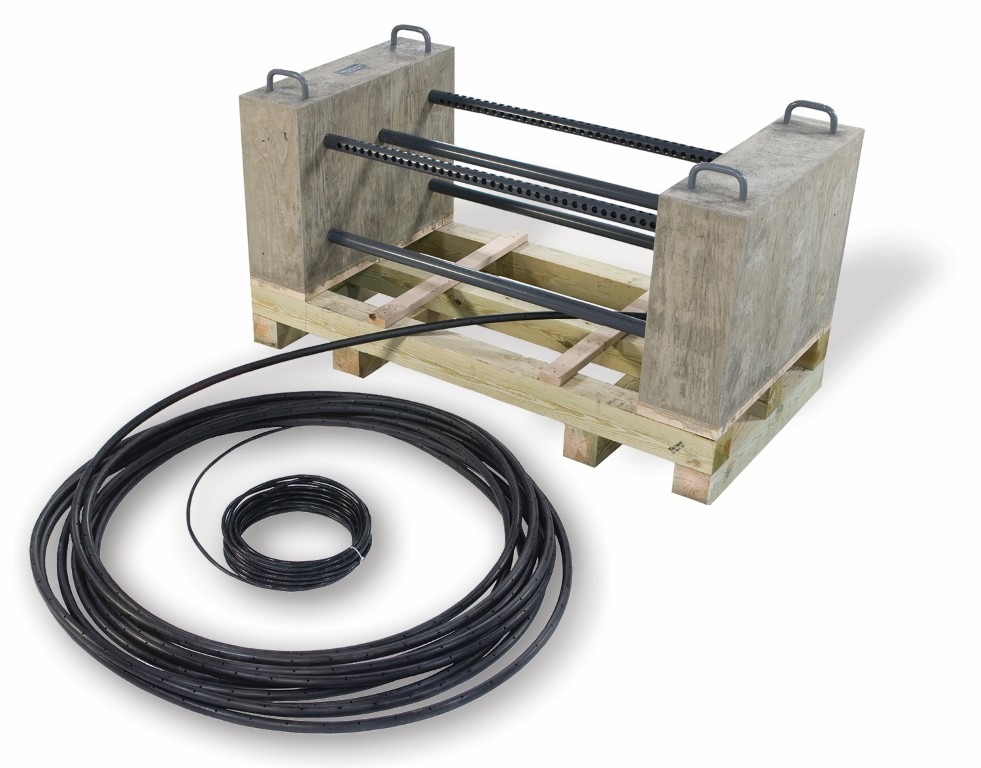
This FAQ addresses common questions about MATCOR’s impressed current sled anode systems for marine structures, covering water conductivity effects on system design, comparisons with galvanic anodes, cable protection methods, marine wildlife considerations, and provisions for dredging operations.
Cathodic Protection—What is it and how does it work?
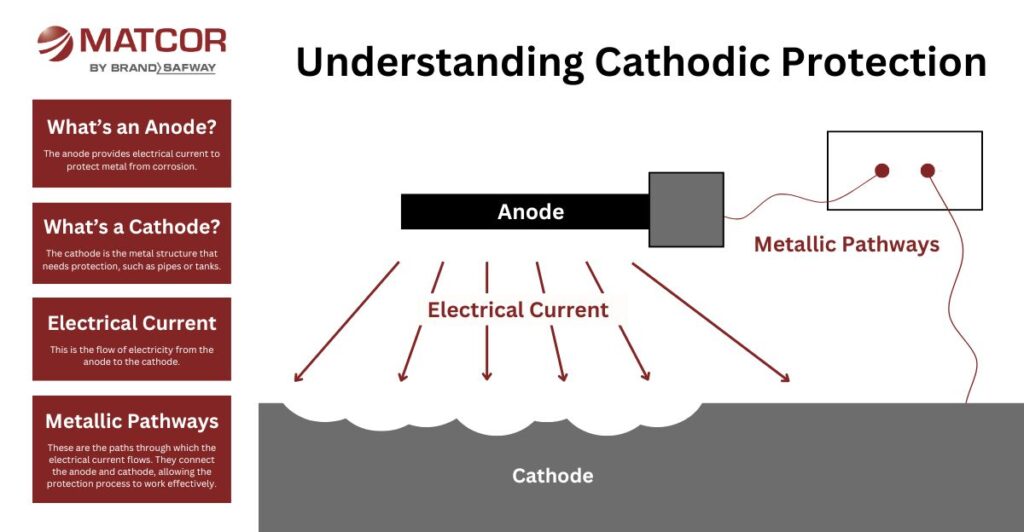
What is cathodic protection? Understand the basics of cathodic protection. See how it extends the life of critical infrastructure.
Rethink Your Shallow Horizontal Anode Bed Design – The Case For Linear Anodes
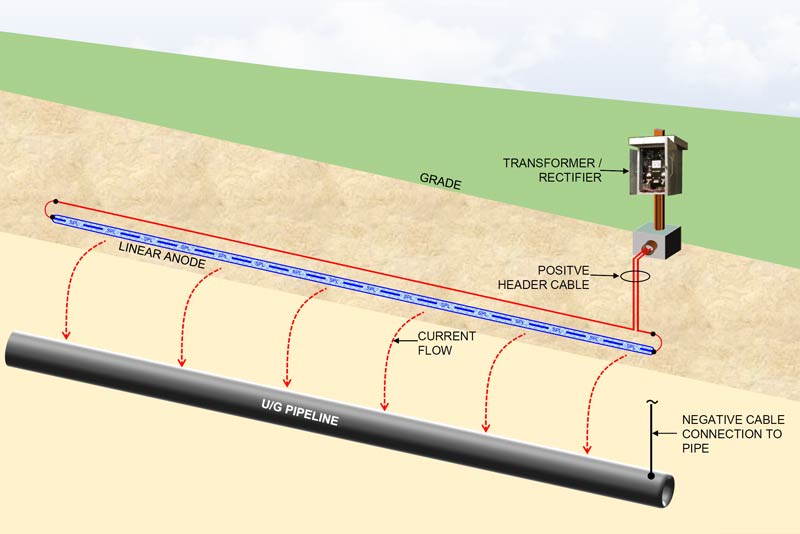
Continuous linear anodes offer significant advantages over conventional multi-anode shallow horizontal anode beds, including factory-assembled reliability, fewer field splice connections, compatibility with horizontal directional drilling installation, and lower overall installed cost per amp-year for mixed metal…
Replaceable Anode System Success: A First for Critical Middle East Tank Assets
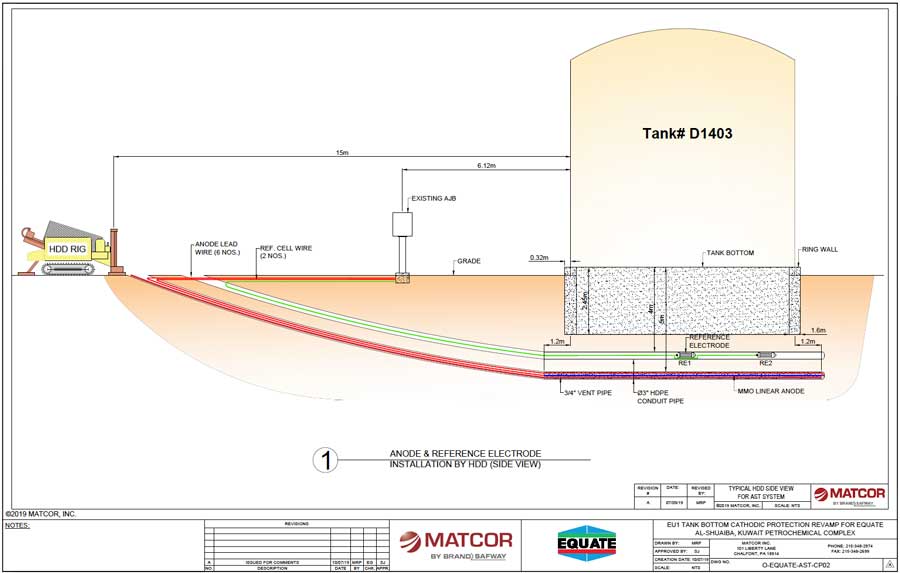
MATCOR completed the first horizontal directional drilling tank cathodic protection installation in the Middle East, deploying a replaceable linear anode system beneath a critical ethylene storage tank at Equate Petrochemicals in Kuwait after a perimeter anode approach failed to meet NACE criteria.