

A depolarized survey is a close interval survey method used to establish a baseline for determining the level of cathodic protection for a structure when a native potential survey is not possible.
A depolarized survey attempts to achieve a native state by removing the current from the pipeline for a period of time. The current is allowed to decay to a point where no cathodic protection is present or the CP current has been shut off for a suitable period of time. Measurements are then taken.
If you are trying to achieve a 100 mV shift criterion per NACE SP-169 standard, you may utilize a depolarized survey. For example, you might go 2 weeks with the current removed and it decays 120 millivolts. Survey measurements are then taken. This is a depolarized survey but it is not a native survey.
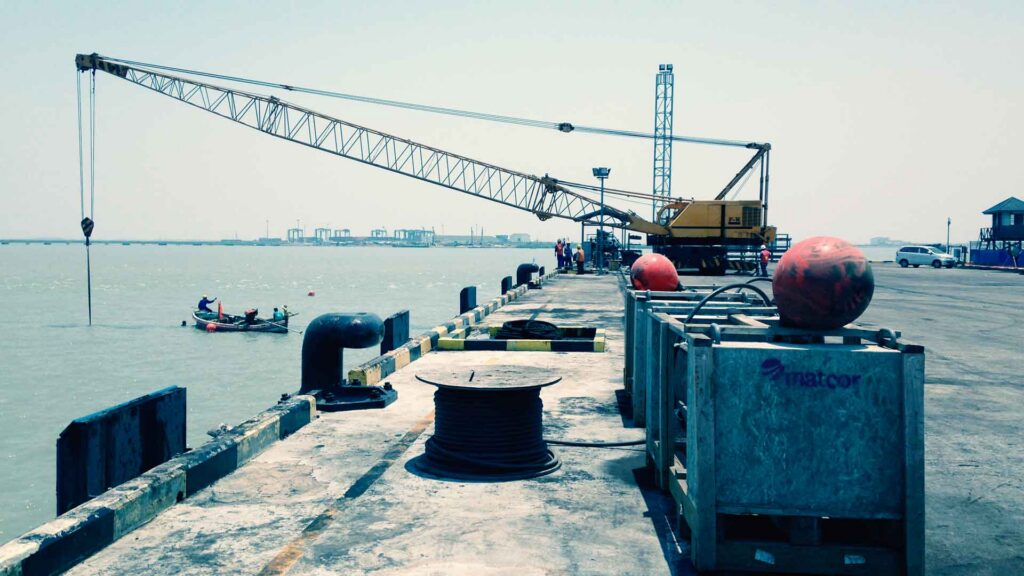
Qualified MATCOR technical personnel can conduct depolarized surveys in the field for oil, gas and water pipelines. Data is then analyzed by NACE certified experts.