
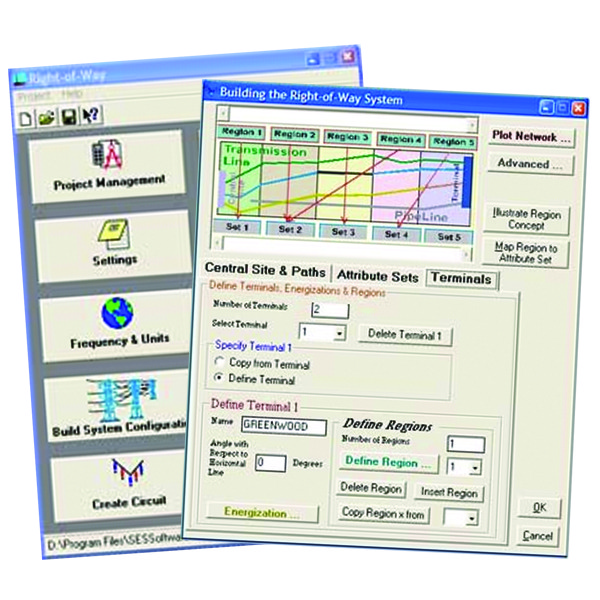
AC interference modeling aids in determining safety risks and requirements for pipeline AC mitigation.
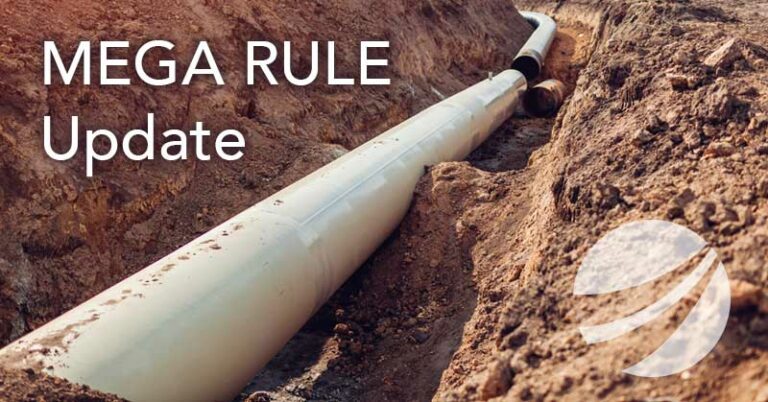
For new and existing pipeline projects in dual right-of-ways with overhead electrical transmission lines, it is critical to measure and manage electrical voltages in order to mitigate corrosion and safety risks, including:
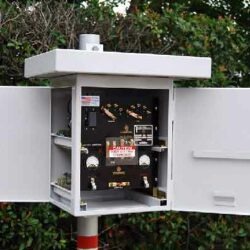
- Step-Touch potential. Step-touch potential is the risk of injury to workers and the public coming in contact with exposed areas when voltages are above an acceptable limit. These exposed areas include casing vents, test stations, segments of above ground piping and regulator stations.
- Induced AC. Induced AC occurs when overhead electrical lines cause increased current densities within steel pipelines, potentially causing ruptures.
- Shorted or Fault Conditions. Extreme voltage conditions such as lightning strikes can melt pipeline coatings and in some cases the pipe itself.
AC Modeling is performed utilizing sophisticated software to analyze these risks and design AC mitigation systems addressing highest potential voltage conditions. AC modeling enables accurate analysis of grounding issues, electromagnetic fields, interference and various aspects of cathodic protection and anode bed analysis.
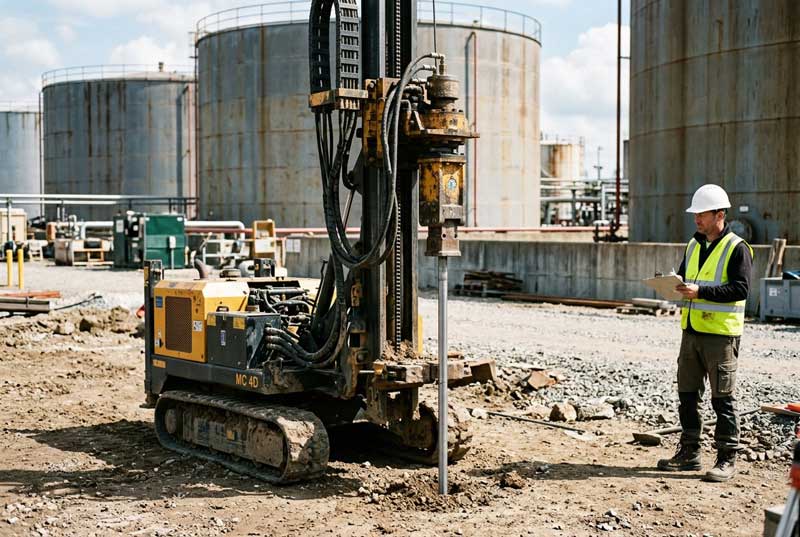
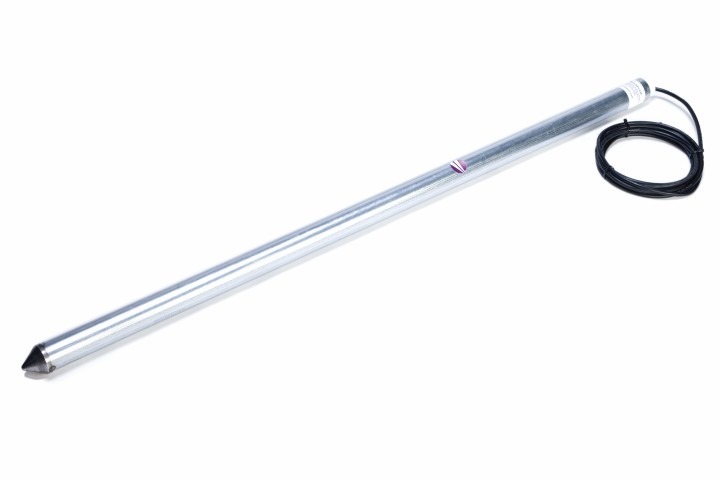
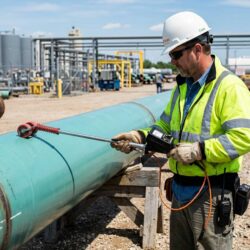
MATCOR can provide field data collection and complete AC interference modeling and analysis to determine your AC interference risks and mitigation requirements.